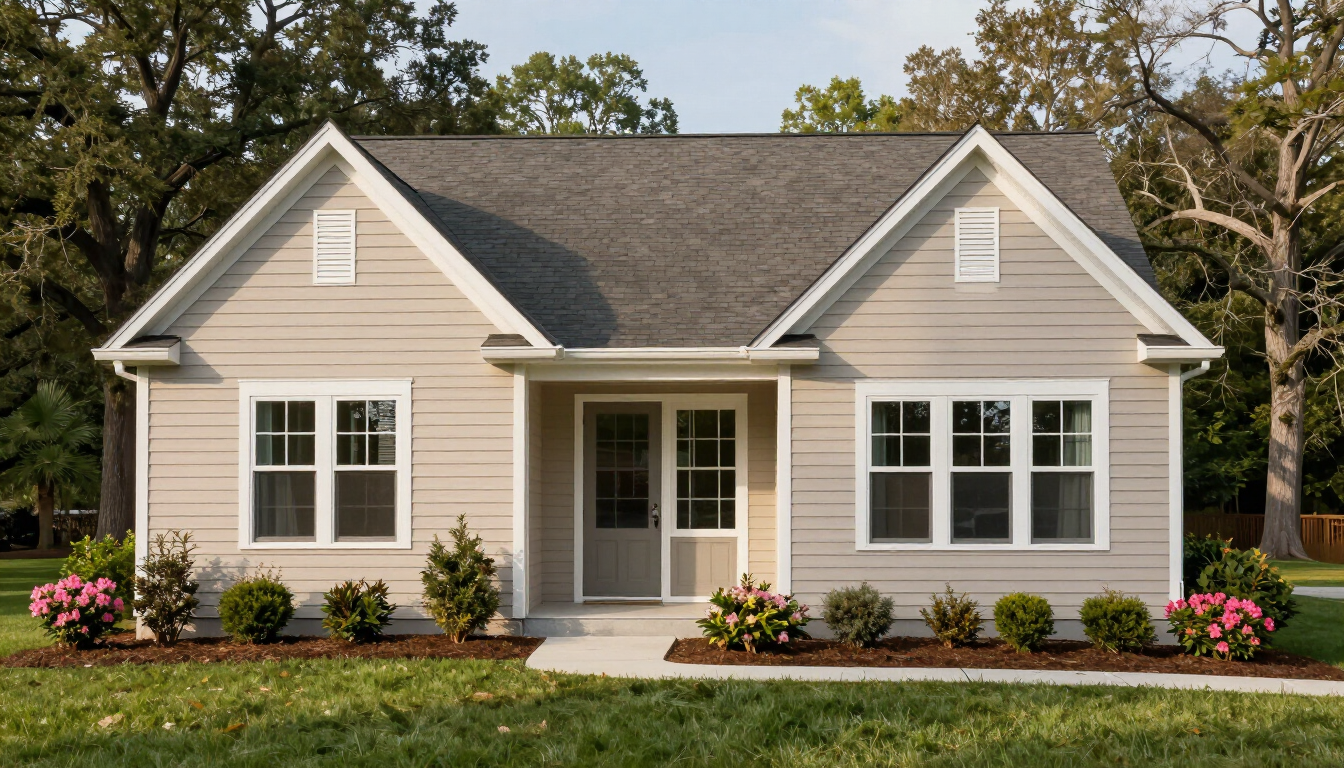
7 Steps for Historic Home Renovation in NC
Historic home renovation in North Carolina requires more than a standard remodeling plan. Before work begins, confirm whether your property is locally designated or in a historic district, identify required permits and review approvals, document original features, and choose contractors experienced with older North Carolina homes.
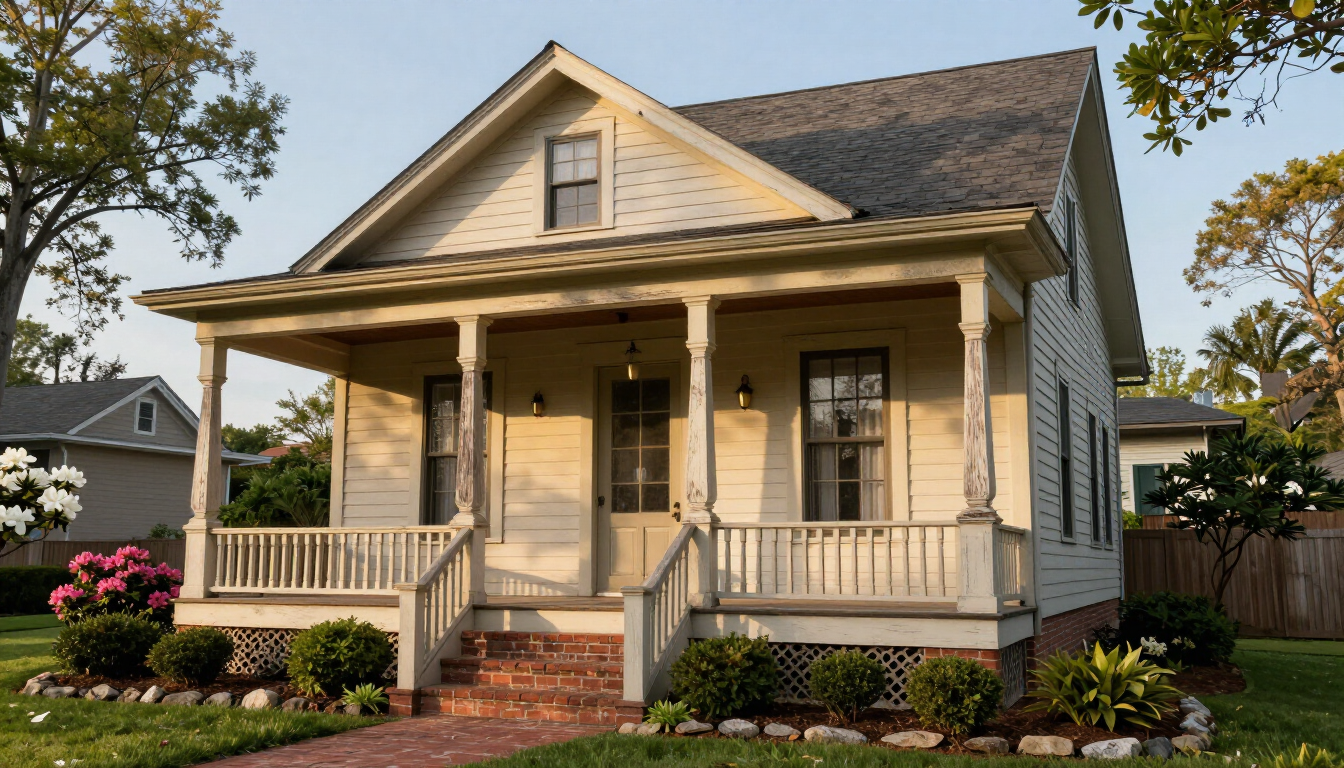
What should you check before renovating a historic home in North Carolina?
Start with the property’s legal and physical history. A home built before 1950 may have character-defining details worth preserving, but age alone does not automatically mean it is protected. Rules depend on the city, county, district, and type of designation.
Complete these early checks:
- Search your city or county property records for historic designation or district boundaries.
- Ask the planning or preservation department whether your address requires design review.
- Photograph the exterior, interior trim, windows, siding, porch, roofline, and significant details.
- Review past permits and identify additions, electrical updates, plumbing work, or structural repairs.
- Build a scope that separates urgent safety work from cosmetic improvements.
Owners in the Charlotte, Raleigh, Winston-Salem, Greensboro, and Wilmington areas may encounter different procedures. If you are unsure where to begin, use this site’s guide to Historic Home Renovations or explore local information for Charlotte , Raleigh , or Winston-Salem .
When does a historic preservation review board apply?
A review board usually becomes involved when a property is individually designated, located inside a locally designated historic district, or subject to a preservation overlay. The board may review exterior changes visible from a public area, including windows, doors, siding, porches, paint colors, additions, demolition, and sometimes landscaping.
Historic designation does not always prohibit change. It generally means proposed changes must follow local standards and receive approval before construction. A certificate of appropriateness, administrative approval, or another review may be required. Permit approval and preservation approval are separate steps, so receiving one does not necessarily replace the other.
Contact the local planning or preservation office before ordering materials. Ask specifically:
- Is the property designated or inside a district?
- Which exterior changes require staff approval or a public meeting?
- Are interior alterations reviewed?
- What drawings, photographs, material samples, or site plans are required?
- Can work begin while an application is pending?
Never assume that a contractor’s building permit covers preservation review.
What can you change, and what should stay?
The safest approach is to preserve distinctive features, repair them when practical, and make new work visually compatible. Local rules vary, but the following framework helps owners plan.
Windows and doors
Original wood windows can often be repaired, weather-stripped, reglazed, and fitted with storm windows. Replacing them with modern units may change the proportions, muntin pattern, casing, and appearance of the façade. If replacement is necessary, match the original dimensions, operation, material, exterior profile, and divided-light pattern as closely as possible.
The same principle applies to front doors, transoms, sidelights, hardware, and porch entrances. Before selecting products, compare repair costs with replacement costs. A specialist in Window Replacement or Door Replacement should understand historic profiles rather than recommend a standard package automatically.
Siding, trim, and porches
Do not cover sound historic siding with new material before investigating its condition. Wood clapboards, shingles, brick, stone, cornices, brackets, porch columns, balusters, and decorative trim often define the home’s architectural identity. Repair deteriorated sections, match dimensions, and use compatible materials whenever feasible.
Replacing trim with generic profiles can make a carefully restored home look newly built. Keep samples of removed materials and photograph concealed conditions before closing walls.
Additions and interior changes
A rear or side addition may be possible when it is subordinate to the original house, set back from the primary façade, and compatible in scale and materials. A new addition should be distinguishable from the old structure without competing with it.
Interior work is often less restricted, but structural changes, egress, fire safety, plumbing, and electrical upgrades still require permits. For larger projects, review Home Additions and Home Remodeling resources before developing a final design.
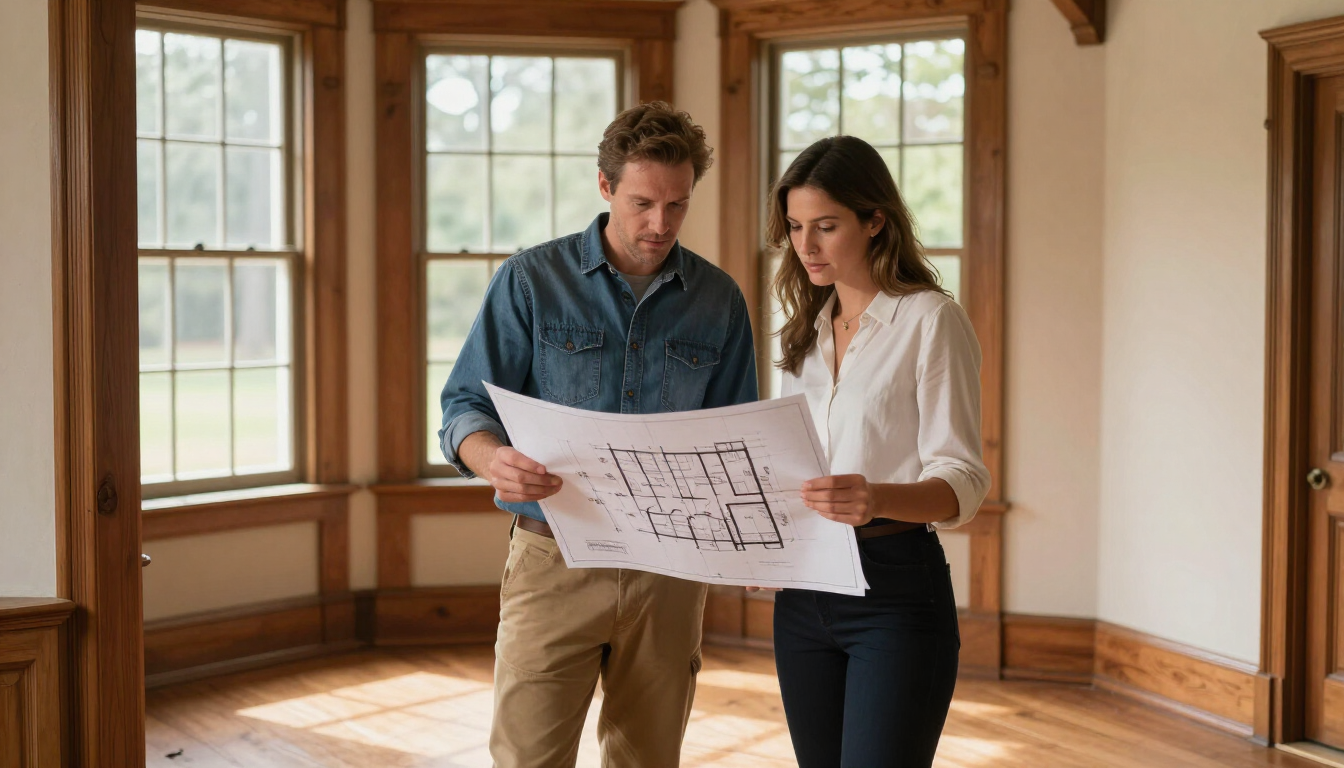
How do you find a contractor experienced with historic North Carolina homes?
Look for evidence of relevant work, not just a general remodeling license. Ask prospective contractors for examples involving pre-1950 homes, historic districts, Craftsman houses, Victorian properties, bungalows, or mill-village homes.
Use this screening process:
- Request two or three local references for comparable historic projects.
- Ask how the contractor handles original windows, damaged wood, lead paint, old wiring, and hidden moisture.
- Confirm who prepares permit and preservation-review documents.
- Request a line-item estimate separating repair, replacement, allowances, and unknown conditions.
- Verify insurance, licensing, subcontractors, and change-order procedures.
A good contractor will be comfortable saying that an element should be tested or opened carefully before pricing it. They should also explain which recommendations are required for safety, which are required by code, and which are simply aesthetic preferences.
You can Get Free Quotes to compare qualified local professionals, then ask each one the same questions so estimates are easier to evaluate.
What surprises commonly affect older-home renovation costs?
Historic projects often reveal conditions that were hidden behind finishes. Build a contingency into the budget and schedule rather than treating surprises as failures.
Lead paint
Paint applied before 1978 may contain lead. Sanding, scraping, cutting, or heating painted surfaces can create hazardous dust. Use lead-safe work practices and ask contractors how they will contain dust, protect occupants, and dispose of debris. Families with children or pregnant occupants should discuss exposure prevention before work begins.
Old wiring
Older homes may contain knob-and-tube wiring, ungrounded circuits, overloaded panels, cloth-insulated cable, or unsafe modifications. Have a licensed electrician inspect the system before walls are closed. Upgrades may be necessary for safety, insurance, appliances, or code compliance, even when the visible fixtures remain.
Moisture and structural movement
Look for roof leaks, failing gutters, poor grading, crawl-space humidity, masonry cracks, soft window sills, fungal growth, and insect damage. Repairing the source is more important than covering the symptom. Moisture trapped behind impermeable siding or coatings can accelerate decay.
Hidden changes
Previous owners may have removed walls, enclosed porches, replaced framing, or buried plumbing and wiring. Keep an allowance for exploratory demolition, engineering, material matching, and revisions to the original plan.
Pre-start checklist for North Carolina historic homeowners
Before signing a construction contract or purchasing materials, confirm that you can answer “yes” or “I have a plan” to each item:
- I know whether the home is designated or located in a historic district.
- I have confirmed all building permits and preservation approvals required for my address.
- I have documented original features with photographs and measurements.
- I have a written scope that prioritizes water control, structure, electrical, and safety.
- My contractor has completed comparable historic work and explained lead-safe practices.
- My budget includes contingency funds for concealed conditions.
- I know which windows, doors, siding, trim, and porch elements will be repaired or replaced.
- I understand the review schedule and will not begin unapproved exterior work.
Key takeaway
Historic home renovation in North Carolina is usually most successful when owners investigate first and build second. Confirm local rules, separate preservation review from building permits, protect character-defining features, and hire professionals familiar with older homes. Prioritize moisture control, safe wiring, lead-paint precautions, and a realistic contingency. Next, document the property, contact the local planning office, and compare experienced contractors using the same written scope. If the project needs windows, doors, remodeling, or an addition, evaluate repair and replacement choices together so the finished home remains safe, functional, and recognizably its own.
Recent Posts