5 Best Neighborhoods for Renovations in Charlotte & Raleigh
The best neighborhoods for home renovations in Charlotte and Raleigh are established areas with strong demand, compatible housing stock, and resale support—such as Plaza Midwood, Dilworth, and Elizabeth in Charlotte, plus Five Points, Boylan Heights, and Oakwood in Raleigh. Newer infill areas can also work, but zoning, design standards, and over-improvement require closer review.
Which neighborhoods have the strongest renovation activity?
Renovation activity is generally highest where three conditions overlap:
- Older homes need functional or cosmetic updates.
- Buyers value location, walkability, schools, and neighborhood identity.
- Renovated homes command a meaningful premium over unrenovated properties.
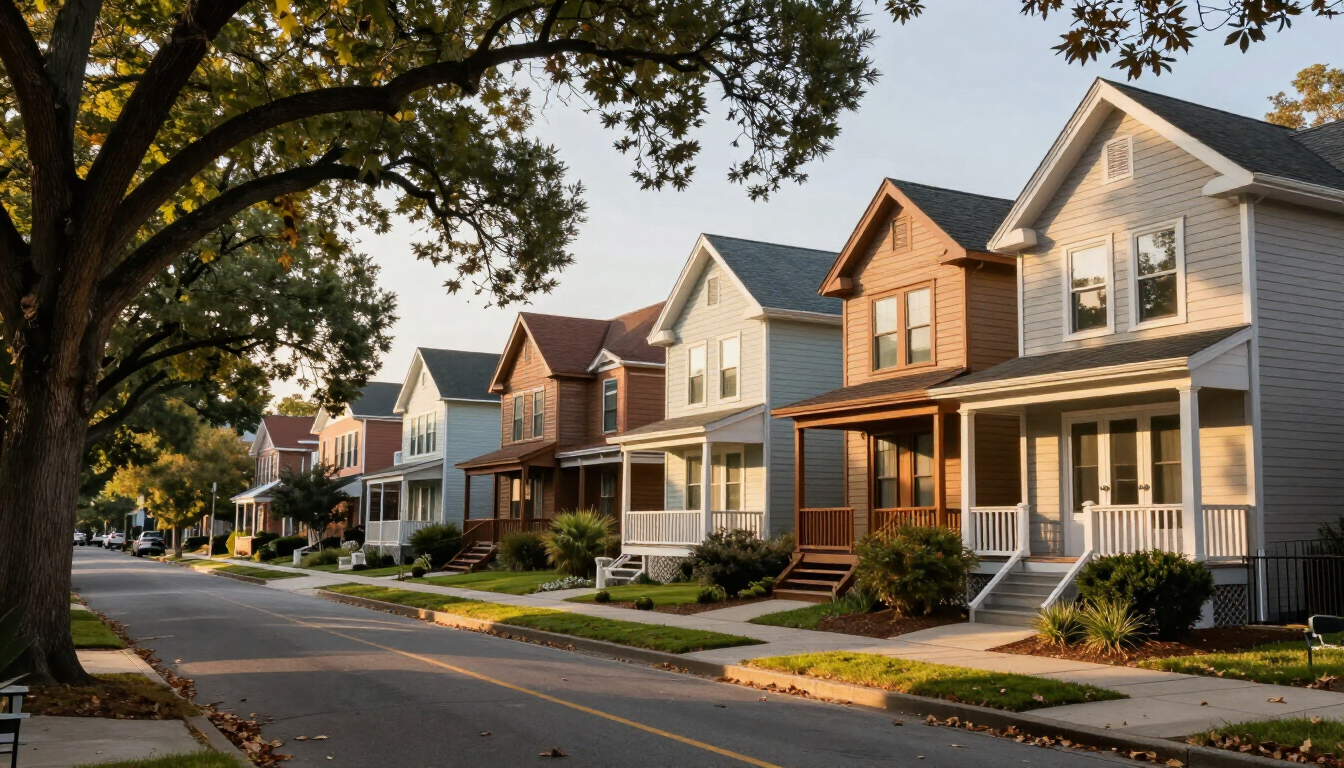
In Charlotte, that pattern is especially visible in Dilworth, Plaza Midwood, Elizabeth, NoDa, and parts of South End and Wesley Heights . In Raleigh, homeowners and buyers frequently renovate in Five Points, Boylan Heights, Oakwood, Mordecai, and Downtown-adjacent neighborhoods .
Activity does not mean every project will be profitable. A well-designed kitchen remodel may improve livability and resale appeal, while a large addition can exceed what nearby buyers expect. Before committing, compare recent renovated sales—not just asking prices—and review local requirements through the relevant Charlotte resources or Raleigh resources .
Charlotte renovation hotspots
Dilworth: character, demand, and careful additions
Dilworth’s historic bungalows, mature trees, and proximity to Uptown make it one of Charlotte’s most renovation-oriented neighborhoods. Common projects include kitchen expansions, bathroom updates, screened porches, rear additions, window replacement, and whole-house modernization.
The main opportunity is improving an older home without removing the features that make it desirable. Preserve proportions, front elevations, porches, hardwood floors, and original details when possible. A rear addition often fits the neighborhood better than a dramatic front-facing expansion.
Budget considerations include structural work, outdated electrical or plumbing systems, crawl-space repairs, and custom millwork. Depending on the property, permits and historic review may affect design and timing. For older properties, explore Historic Home Renovations before finalizing plans.
Plaza Midwood and NoDa: flexible, high-interest renovation markets
Plaza Midwood offers a mix of older cottages, bungalows, duplexes, and newer construction. Renovations here often focus on opening cramped interiors, adding primary suites, improving outdoor areas, and updating kitchens while retaining neighborhood character.
NoDa has a more varied housing stock, including older homes, townhomes, and infill development. Buyers may accept contemporary finishes, but the project still needs to fit the scale and streetscape of the block. A compact, efficient renovation can outperform an oversized luxury build if the surrounding homes are modest.
These neighborhoods can support strong resale demand, but acquisition prices may already reflect anticipated renovation value. Run the numbers carefully: purchase price, construction, financing, temporary housing, contingency, and selling costs should all be included.
Elizabeth and Wesley Heights: where restraint can pay
Elizabeth benefits from historic appeal and access to Uptown, hospitals, and established amenities. Wesley Heights offers character homes and proximity to urban conveniences, with selected blocks experiencing substantial reinvestment.
In both areas, practical updates tend to have broad appeal:
- Improve kitchens and bathrooms without making them excessively large.
- Correct moisture, roof, foundation, and drainage issues first.
- Restore or replace windows in a style appropriate to the home.
- Upgrade insulation, HVAC, lighting, and electrical systems.
- Add usable storage and outdoor living space.
For windows, doors, or exterior efficiency improvements, compare options through Window Replacement and Door Replacement .
Raleigh renovation hotspots
Five Points and Hayes Barton: established demand with design sensitivity
Five Points and nearby established neighborhoods attract buyers who value architecture, mature landscaping, and access to central Raleigh. Renovation projects commonly include kitchen and bath improvements, rear additions, attic conversions, and systems upgrades.
Hayes Barton properties can support substantial investment, but the expected finish level is higher. Buyers may notice inconsistent windows, low-grade cabinetry, awkward additions, or landscaping that does not match the home’s scale. At the same time, replacing a traditional home with an overly modern design may reduce appeal on a character-rich street.
Because lot conditions and neighborhood expectations vary, have a designer or architect evaluate the property before buying. A feasibility review can identify setbacks, tree impacts, drainage concerns, and likely approval issues before they become expensive surprises.
Oakwood and Mordecai: historic character and renovation opportunity
Oakwood and Mordecai contain older homes where thoughtful renovation can create substantial value. Projects often involve restoring exterior details, improving kitchens and bathrooms, updating mechanical systems, and adding space at the rear.
Historic districts may impose additional design review requirements. That can influence window profiles, siding, roof forms, additions, demolition, and visibility from the street. The process is not necessarily a reason to avoid the neighborhood; it is a reason to budget for planning time and detailed documentation.
Owners should distinguish between maintenance , interior remodeling , and visible exterior changes . A bathroom renovation may be relatively straightforward, while a front porch alteration or addition could require another level of review. Check requirements before selecting materials or signing a construction contract.
Downtown-adjacent infill: modern potential, tighter constraints
Areas near Downtown Raleigh include a mix of renovated older houses, townhomes, small-lot construction, and infill. These blocks may support contemporary layouts and efficient additions, particularly when buyers prioritize location and low-maintenance living.
However, newer infill can create a ceiling on resale value. If surrounding homes are compact and similarly priced, a high-end kitchen or oversized addition may not return its full cost. Lot coverage, impervious-surface limits, setbacks, parking, stormwater, and tree regulations can also shape what is possible.
A project should be evaluated against the immediate block—not only the citywide market.
What should you budget for before renovating?
Renovation budgets vary substantially by home condition, finish level, scope, and contractor availability. Instead of relying on a single cost-per-square-foot estimate, divide the project into categories:
- Necessary repairs: roof, foundation, drainage, moisture, electrical, plumbing, and HVAC.
- Value-adding improvements: kitchen, bathrooms, layout, storage, windows, and energy performance.
- Lifestyle upgrades: outdoor rooms, luxury finishes, custom built-ins, and specialty spaces.
- Soft costs: design, engineering, surveys, permits, insurance, financing, and temporary housing.
- Contingency: additional funds for concealed conditions in older homes.
Get multiple detailed bids and confirm what is excluded. A low quote may omit demolition, permit fees, finish allowances, or site work. Homeowners who need help comparing qualified professionals can start with Get Free Quotes .
Do renovations require permits in Charlotte and Raleigh?
Many projects require permits, especially those involving structural changes, additions, electrical work, plumbing, HVAC, roofing, or significant exterior alterations. Historic districts and special zoning conditions may add review requirements beyond a standard building permit.
Before work begins, confirm:
- Whether the project changes the building footprint or load-bearing structure.
- Whether zoning setbacks, height, lot coverage, or parking rules apply.
- Whether trees, drainage, or stormwater regulations affect the site.
- Whether the property is in a local historic district or overlay.
- Who will secure permits and schedule inspections.
Permit responsibility should be written into the contractor agreement. Unpermitted work can complicate insurance, refinancing, future sale, and buyer inspections.

When does a kitchen, bath, or addition make sense?
Kitchen renovations
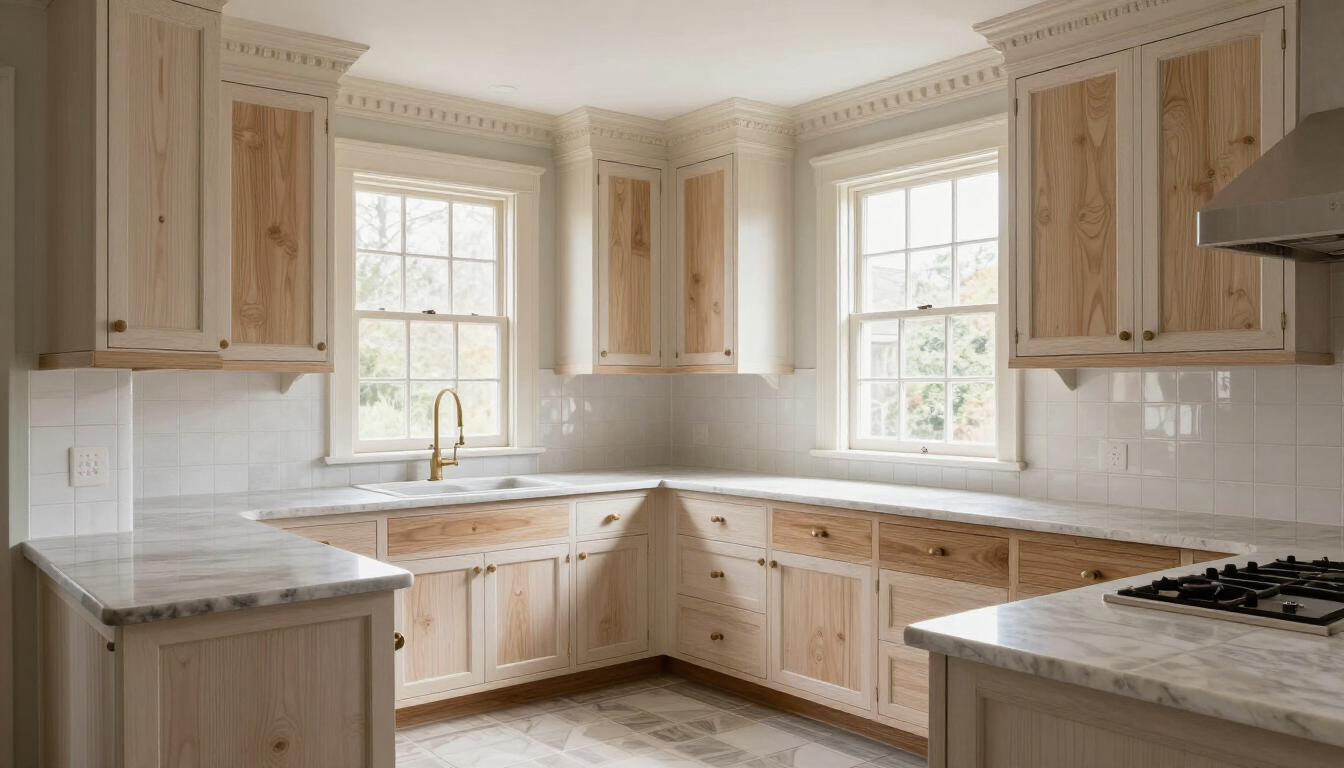
A kitchen renovation is usually strongest when the existing layout is inefficient, finishes are dated, storage is inadequate, or major systems already need updating. Match the scale and finish quality to nearby renovated homes. In a modest bungalow, a functional mid-range kitchen may outperform an oversized luxury kitchen.
Bathroom renovations
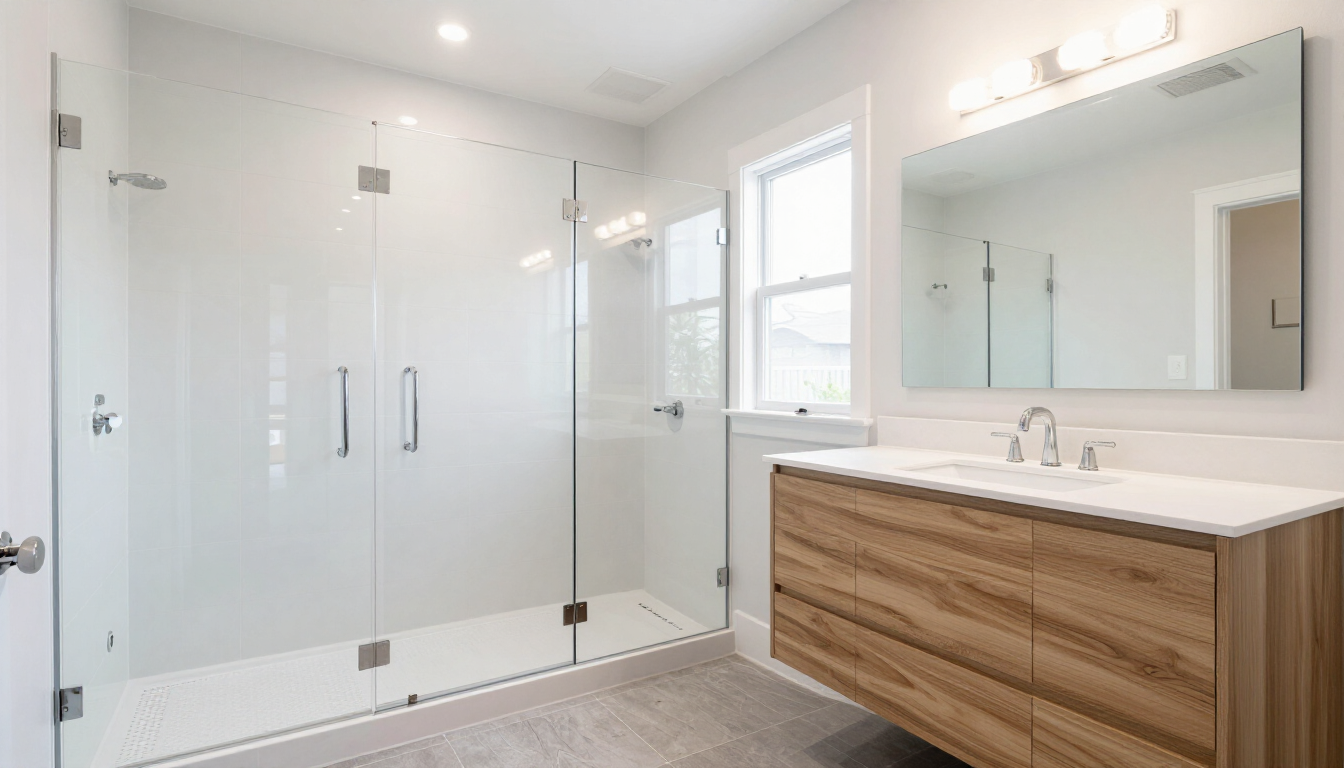
Bathrooms can offer strong livability benefits without expanding the footprint. Prioritize waterproofing, ventilation, durable fixtures, storage, and lighting. Adding a bathroom may help a small older home compete with newer properties, but plumbing access and floor-plan efficiency should guide the decision.
Home additions
An addition can be justified when the lot, block, and resale market support more finished space. Good candidates include homes with usable rear yards, strong location, and a clear shortage of bedrooms, bathrooms, or family space.
Review comparable homes before expanding. If nearby properties sell below your projected total investment, an addition may be valuable for personal use but risky as a resale strategy. See Home Additions and Home Remodeling for project-focused planning resources.
How can you avoid over-improving?
The safest approach is to define the neighborhood’s likely buyer before choosing finishes. Compare at least three to five nearby homes that have sold recently and note:
- Finished square footage and bedroom-bathroom count
- Kitchen and bathroom quality
- Parking, outdoor space, and storage
- Architectural style and exterior condition
- Sale price relative to renovated and unrenovated homes
Avoid spending heavily on features buyers cannot see, while ignoring visible defects or functional problems. A sound roof, attractive windows, efficient systems, and a coherent floor plan often matter more than the most expensive countertop.
A practical neighborhood renovation decision
The best neighborhood for your project is not simply the one with the most construction. It is the one where the home’s location, condition, design, and likely resale value support the scope you want.
- Choose established historic streets when character, location, and careful restoration are priorities.
- Consider infill areas when you want modern layouts and can work within tighter site constraints.
- Start with safety, structure, water management, and systems before cosmetic upgrades.
- Compare your expected finished value with nearby renovated sales.
- Confirm permits, historic rules, and contractor responsibilities before work begins.
For a kitchen or bath, focus on function and proportional finishes. For an addition, verify that the block supports the extra size. Then compare qualified professionals and request detailed estimates before making a final decision.
Recent Posts