Thank you! We'll match you with historic renovation specialists shortly.
Historic Home Renovations — North Carolina
Preserve the Past. Restore Your Home.
Expert renovation guidance for North Carolina homeowners with historic properties — connecting you with vetted specialists who respect original character and meet preservation standards.
Free, No-Obligation Quotes
Historic Renovation Specialists
NC Preservation-Aware Contractors
Get Free Historic Renovation Quotes
North Carolina's Historic Homes Deserve Specialized Care
North Carolina is home to some of the Southeast's most architecturally significant residential neighborhoods. From the Queen Anne and Colonial Revival houses of Dilworth and Plaza Midwood in Charlotte, to the early 20th-century bungalows lining the streets of Oakwood and Mordecai in Raleigh — and the antebellum and Victorian-era homes of downtown Wilmington and Winston-Salem's West End — the state's older housing stock is a living record of regional history. These homes are irreplaceable, and they require a very different renovation approach than modern construction.
NC Home Advisors was built with homeowners like you in mind. Whether your home sits inside a formal historic district with strict design review guidelines, or simply predates World War II and carries original woodwork and materials you want to protect, we help you find renovation professionals who understand the difference between a quick fix and a preservation-minded restoration.
5 Major NC Historic Districts
Charlotte, Raleigh, Wilmington, Winston-Salem & beyond
Pre-1960 Homes Served Statewide
Older properties with original character worth protecting
Preservation-Aware Specialists
Vetted contractors in our NC network
Free Quotes — No Obligation
Connect with specialists at zero cost to you
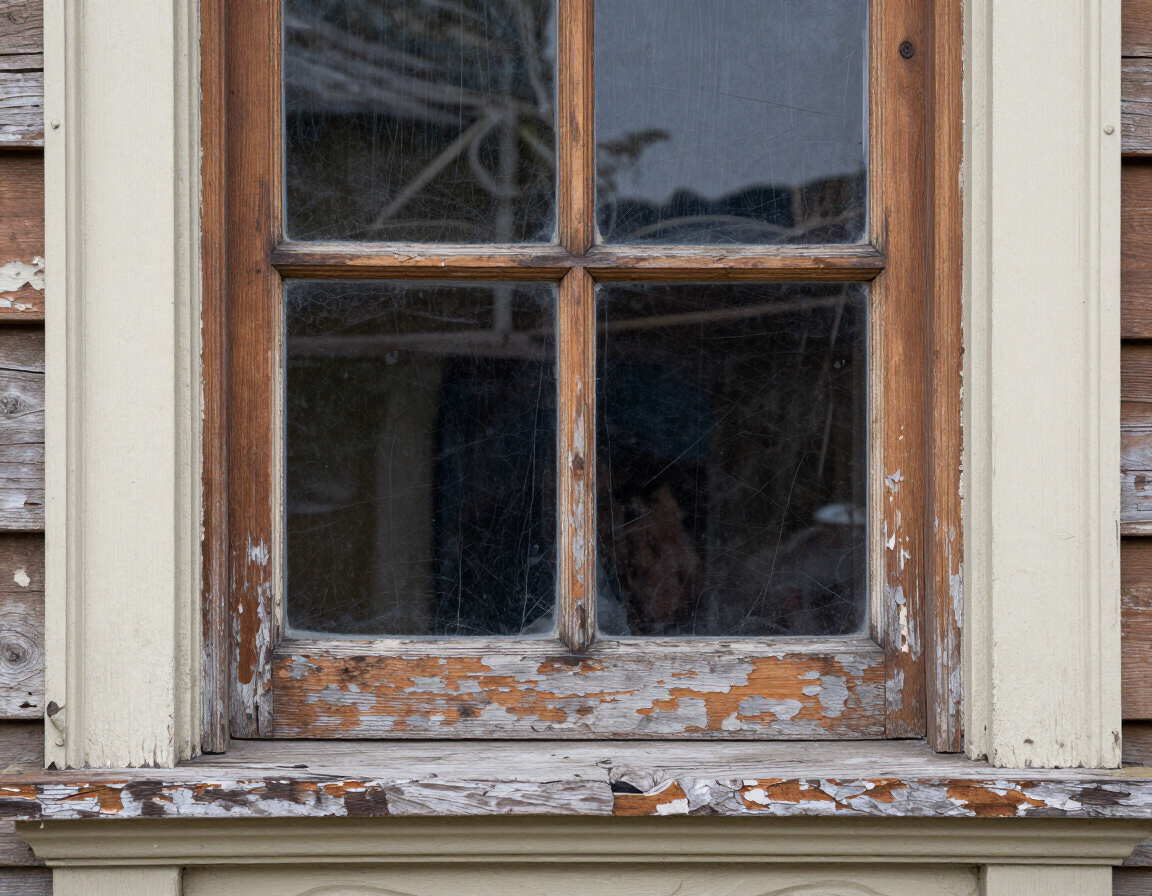
Why Historic Renovations Require a Different Approach
Updating a historic home isn't simply a matter of swapping old for new. Preservation standards, local historic district ordinances, and the fragility of original materials create a set of challenges that general contractors — no matter how skilled — are often unprepared for.
Preservation & Design Review Standards
Homes in designated historic districts must often meet design review board approval before renovation work begins. Materials, colors, window profiles, and even hardware must be consistent with the period character of the structure.
Sourcing Period-Appropriate Materials
Original old-growth lumber, true-divided-light window sashes, hand-forged hardware, and period-specific brick or stone are not available at standard suppliers. Specialist sourcing and custom millwork are often required.
Navigating Historic District Rules
Local ordinances in NC cities vary significantly. What is permitted in Wilmington's historic overlay may differ from guidelines in Raleigh's Oakwood neighborhood or Charlotte's Dilworth district. A contractor unfamiliar with local rules can create costly compliance problems.
Finding Qualified Specialists
The pool of contractors with genuine historic renovation experience is small. NC Home Advisors vets for documented experience, familiarity with NC SHPO guidelines, and a track record of preservation-compliant project delivery.
Renovation Services for NC Historic Homes
Our specialist network covers the full scope of work historic NC homes commonly require — from careful window and door restoration to structural and interior work that respects the building's original character.
Historic Window Restoration & Replacement
Repair or replace original wood-sash windows using period-appropriate profiles. We connect you with specialists who can source true-divided-light sashes or retrofit energy-efficient glazing that meets historic district approval.
Door Restoration & Period Hardware
Preserve original paneled doors, transoms, and sidelights — or replace damaged units with historically appropriate alternatives. Includes sourcing of period-style hardware and weatherstripping.
Foundation & Structural Repair
Address settling, moisture intrusion, and deteriorating masonry common in older NC homes. Specialists work with original brick and stone substrates to stabilize structures without compromising historic integrity.
Plaster Repair & Interior Restoration
Restore original plaster walls and ceilings, crown moldings, ceiling medallions, and wood trim. Our network includes craftsmen skilled in traditional lime plaster and period millwork reproduction.
Full Interior Renovation — Preservation-Minded
Kitchen and bath updates, room reconfiguration, and systems upgrades (electrical, plumbing, HVAC) carried out in a way that preserves the original character, materials, and spatial relationships of the home.
Exterior Restoration & Painting
Lead paint remediation, wood siding repair, porch reconstruction, and historically appropriate exterior color schemes. Work meets local historic district requirements where applicable.
Historic Tax Credits & Preservation Incentives in NC
Owning a historic home in North Carolina can come with meaningful financial benefits. Both the federal government and the State of North Carolina offer tax credit programs designed to encourage the preservation and rehabilitation of historic properties — potentially offsetting a significant portion of your renovation costs.
The Federal Historic Tax Credit (HTC) provides a 20% income tax credit for certified rehabilitation of income-producing historic structures. For owner-occupied residences, the NC State Historic Preservation Office (SHPO) administers the NC Historic Preservation Tax Credit program, which provides up to a 15% credit on qualified rehabilitation expenditures for historic homes — one of the most generous owner-occupied programs in the Southeast.
To qualify, your property typically needs to be listed on the National Register of Historic Places, contributing to a listed historic district, or certified as a historic structure by NC SHPO. Renovation work must meet the Secretary of the Interior's Standards for Rehabilitation.
Tax credit programs and eligibility requirements change. Always consult a qualified tax professional and NC SHPO before making renovation decisions based on incentive availability.
Key Programs at a Glance
Federal HTC — 20% credit on certified rehabilitation (income-producing properties)
NC State HTC — Up to 15% credit for owner-occupied historic homes
Mills Act / Local Incentives — Select NC municipalities offer property tax relief
NC SHPO Certification — Required for state credit eligibility
Connected With Specialists Who Know Historic Homes
NC Home Advisors doesn't route your project to any available contractor. When it comes to historic properties, we specifically match homeowners with renovation professionals who have documented experience working under NC SHPO guidelines and within local historic district frameworks.
How We Vet Historic Renovation Specialists
Documented experience with pre-1960 residential construction
Familiarity with NC SHPO rehabilitation standards and the Secretary of the Interior's Standards
Track record of historic district design review approval
Experience sourcing period-appropriate materials and custom millwork
Licensed, insured, and locally referenced in NC
Client references from historic property owners
NC SHPO-Aware Contractors
Every specialist in our historic renovation network is briefed on NC State Historic Preservation Office guidelines so your project starts on the right regulatory footing.
Preservation-First Philosophy
We prioritize contractors who treat original materials as assets to be restored, not obstacles to be removed — matching the sensibility that historic homeowners expect.
Locally Rooted Across NC
Our specialist network covers Wilmington, Raleigh, Charlotte, Winston-Salem, Greensboro, and communities throughout North Carolina where historic housing concentrations are highest.
Frequently Asked Questions — Historic Home Renovations in NC
Historic renovation raises questions that go well beyond a standard remodeling project. Here are answers to what NC homeowners with older and historic properties ask most.
What qualifies a home as 'historic' in North Carolina?
In North Carolina, a property may be considered historic if it is listed individually on the National Register of Historic Places, located within a listed or locally designated historic district, or certified by NC SHPO as contributing to a historic area. In practice, many homes built before 1960 with intact original architecture are treated as historically significant even without formal designation — and many local historic districts in NC cities include homes as recent as the 1950s.
Do I need special permits to renovate a historic home in NC?
It depends on whether your home sits within a locally designated historic district with design review oversight. If it does, exterior changes — and sometimes significant interior work — will require approval from a local Historic Preservation Commission (HPC) before permits are issued. Homes that are on the National Register but not in a locally designated district are not subject to mandatory design review for private renovations, though tax credit work must still meet federal standards.
Are modern replacement windows allowed in NC historic districts?
This is one of the most common questions from historic homeowners. The short answer is: it depends on the district and the window design. Many NC historic commissions allow modern energy-efficient windows if the profile, divided-light pattern, and material match the originals closely. Wood-clad or fiberglass windows with true or simulated divided lites are often approvable; aluminum single-pane replacements with wide sightlines are typically not. A specialist familiar with your district's guidelines is the best guide.
How long does a historic renovation project typically take in NC?
Timeline varies significantly by project scope and whether design review approval is required. A window restoration or exterior repair project may take 4-12 weeks from quote to completion. A full interior renovation with preservation requirements can span 6-18 months, especially when custom millwork, specialty materials, or phased permit approvals are involved. Projects requiring NC SHPO certification for tax credit purposes add additional review time before and after construction.
Can I update the kitchen and bathrooms in a historic home without losing tax credits?
Yes — interior updates like kitchen and bath renovations are generally permitted under the Secretary of the Interior's Standards for Rehabilitation as long as the work does not destroy significant historic fabric (original floors, plaster, built-ins, trim) and the overall character of the historic spaces is preserved. Modern systems and finishes can typically be introduced if the intervention is reversible and respectful of the historic structure.
How does NC Home Advisors match me with a historic renovation specialist?
You submit a brief description of your property and project through our free quote form. We review your request and match you with vetted contractors in our NC network who have documented historic renovation experience relevant to your home's age, style, and location. You receive quotes from specialists — at no cost and with no obligation to proceed.
Thank you! We'll connect you with historic renovation specialists in your area shortly.
Ready to Restore Your Historic NC Home?
Whether your home is inside a formally designated historic district or simply an older property with original character worth protecting, NC Home Advisors connects you — for free — with renovation specialists who understand preservation-minded work across North Carolina.
Tell us about your project and we'll match you with qualified historic renovation contractors. No sales pressure, no obligation — just informed guidance and competitive quotes.
Specialists vetted for historic renovation experience
Matches across NC — Charlotte, Raleigh, Wilmington, Winston-Salem, Greensboro
Free quotes, no commitment required
Get Free Historic Renovation Quotes
Project Type is pre-set to Historic Home Renovation — update if needed.