How to Maximize Bathroom Remodel ROI in NC (2026)
Bathroom remodel ROI in North Carolina depends on scope, neighborhood, and finish level. In 2026, a well-planned mid-range bathroom remodel typically recoups about 75–80% of its cost at resale, while upscale gut renovations often return much less. Cosmetic updates can offer the strongest percentage return when the existing layout still works.
What is the average bathroom remodel ROI in North Carolina?
For many North Carolina homeowners, the practical resale picture looks like this:
- Cosmetic refresh: Often the best percentage return, especially when completed for roughly $8,000–$15,000.
- Mid-range remodel: Commonly recoups about 75–80% of project cost, depending on materials and workmanship.
- Upscale remodel: Frequently returns a smaller percentage because premium labor and finishes raise the investment faster than buyer willingness to pay.
These are planning estimates, not guarantees. Your actual result depends on the home’s price range, local buyer expectations, condition of nearby properties, and whether the bathroom solves a noticeable problem.
A $12,000 update that improves function and presentation may add more market value than a $35,000 luxury renovation. Buyers generally reward clean, current, durable bathrooms—but they do not always pay dollar-for-dollar for highly customized choices.
Which bathroom upgrades do North Carolina buyers want most?
The best bathroom improvements usually combine visible appeal with everyday usefulness. Prioritize upgrades that make the room feel larger, easier to maintain, and more comfortable without making it overly specific to one taste.
1. Walk-in shower
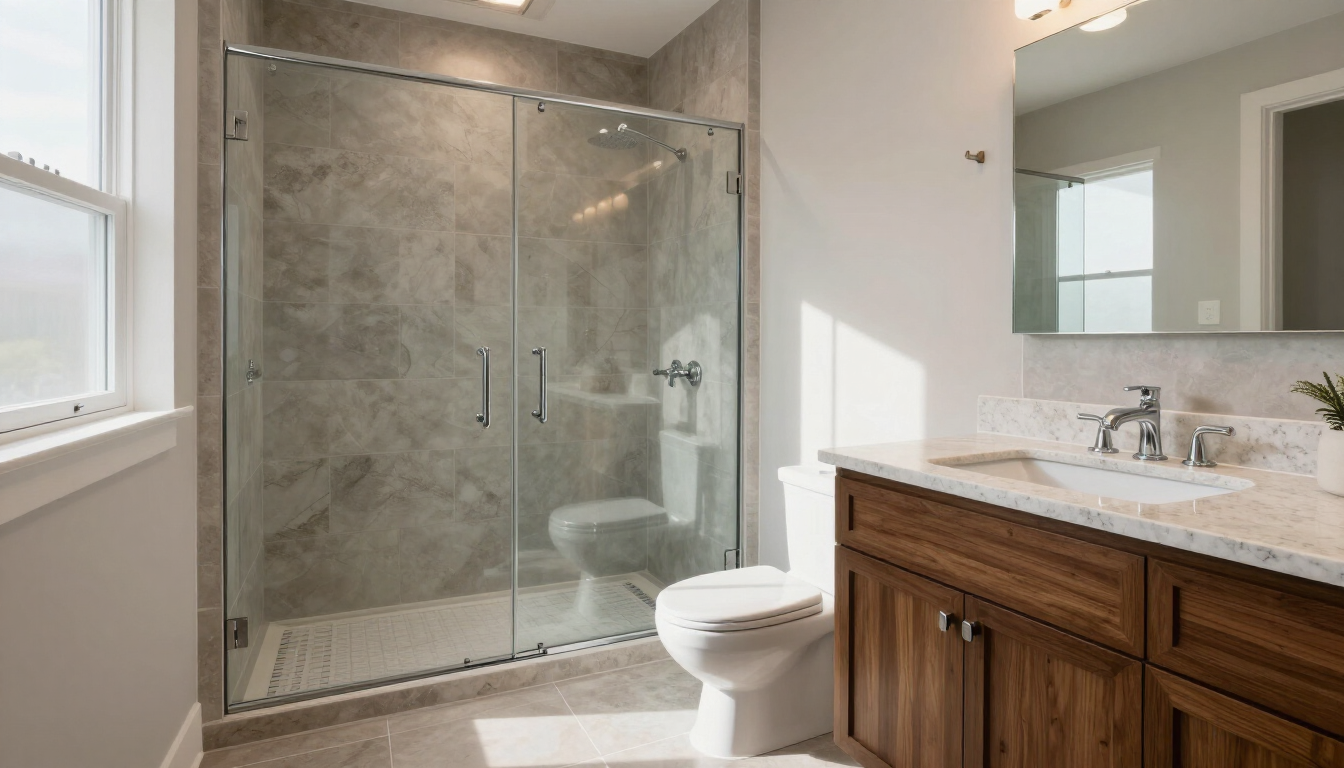
A low-threshold walk-in shower is attractive to buyers across age groups. It can improve accessibility, simplify cleaning, and make a small bathroom feel more open. Clear glass, a practical niche, and a handheld showerhead generally have broader appeal than elaborate body sprays or oversized custom systems.
2. Updated vanity and storage
A quality vanity can change the appearance of the entire room. Choose durable doors, useful drawers, and a countertop that is easy to maintain. In a family bathroom, adequate storage may matter more than an expensive decorative feature.
3. Modern fixtures
Replace dated faucets, shower trim, cabinet hardware, and towel bars with a coordinated finish. Brushed nickel, chrome, and restrained matte black can work well when they fit the home’s overall style. Avoid selecting fixtures solely because they are currently trendy.
4. Better lighting
Layered lighting helps a bathroom photograph well and function better. Combine general ceiling lighting with a well-lit vanity mirror. Warm, balanced light typically feels more inviting than a single harsh overhead fixture.
5. Large-format tile
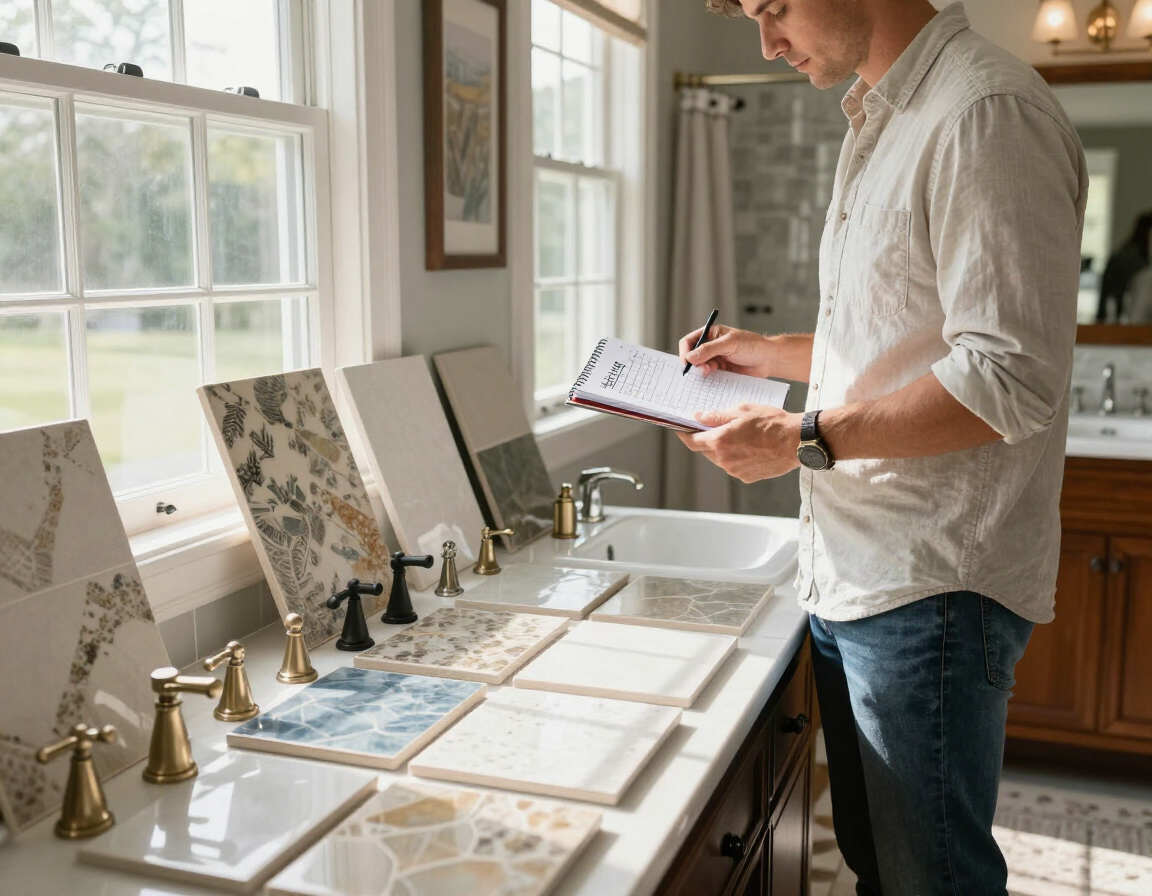
Larger tiles can create a cleaner visual field with fewer grout lines. They may also make maintenance easier. Select a neutral pattern with slip resistance and professional installation rather than choosing the largest or most expensive tile available.
How do cosmetic, mid-range, and upscale remodels compare?
Cosmetic refresh: improve what already works
A cosmetic refresh keeps the existing plumbing and layout while updating surfaces and visible fixtures. It may include paint, lighting, hardware, a vanity, mirror, faucet, toilet, or professionally refinished tub.
This approach can suit homeowners who plan to sell within two to five years. It limits construction risk, controls the budget, and makes the room feel current without erasing the home’s character.
Mid-range remodel: the resale sweet spot
A mid-range project may replace the shower or tub, update the vanity, improve lighting, install new tile, and address ventilation or storage. It can cost approximately $15,000–$30,000 depending on labor, room size, and structural conditions.
For many North Carolina homes, this is the strongest balance between comfort and resale value. The key is restraint: improve function and finish quality without turning a standard bathroom into a luxury suite that the neighborhood cannot support.
Upscale remodel: prioritize personal enjoyment
An upscale remodel may involve moving plumbing, expanding the footprint, installing custom cabinetry, adding heated floors, using premium stone, or creating a spa-style shower. Projects can reach $30,000–$40,000 or more.
These features may be worthwhile if you expect to stay for years and will use them regularly. They are less reliable as a resale strategy because buyers may not value every premium feature at its full cost.
Does bathroom remodeling ROI vary across North Carolina?
Yes. Local housing stock, buyer expectations, and neighborhood price ceilings affect the value of a bathroom remodel.
Charlotte
Charlotte buyers may respond well to polished, move-in-ready bathrooms, particularly in competitive neighborhoods and newer suburban communities. A clean walk-in shower, updated vanity, strong lighting, and cohesive tile can help a home compare favorably with similar listings.
However, avoid building a luxury bathroom that exceeds nearby homes. In an established neighborhood with mid-range properties, a practical remodel is usually safer than importing high-end hotel finishes.
Raleigh and the Triangle
The Raleigh-Durham area includes a wide mix of older ranch homes, established subdivisions, and newer construction. Buyers often notice outdated layouts, worn shower surrounds, and insufficient storage.
A mid-range remodel can be especially effective when it corrects those functional weaknesses. Before spending, compare bathrooms in recently sold homes—not only the asking prices of current listings.
Winston-Salem and Greensboro
In the Piedmont Triad, sensible upgrades often outperform highly customized renovations. Many homeowners can improve marketability with a refreshed vanity, durable tile, updated fixtures, and better lighting while preserving the existing layout.
Older homes may require extra attention to ventilation, subfloor condition, plumbing, and electrical work. A realistic contingency is more valuable than assuming every dollar can go toward visible finishes. Explore local resources for Winston-Salem and Greensboro .
Wilmington
Coastal moisture makes ventilation, waterproofing, and durable materials especially important. A bathroom that looks attractive but has poor moisture control can create maintenance concerns during inspection.
In Wilmington, prioritize a properly installed exhaust fan, water-resistant assemblies, reliable caulking, and materials suited to humid conditions. Resale value starts with a bathroom that performs well.
What does not add enough resale value?
Some improvements can over-improve the property or produce limited buyer value:
- Relocating plumbing when the existing layout is functional
- Installing luxury stone throughout a mid-range home
- Adding specialized technology that may date quickly
- Choosing bold tile or permanent colors that narrow buyer appeal
- Building a second spa-style bathroom when basic bathrooms remain outdated
This does not mean those choices are wrong. They simply belong in the “remodel to live” category rather than the “remodel to sell” category. If you will enjoy the feature for several years, its personal value may justify the cost even when resale payback is modest.
Should you remodel to sell or remodel to live?
Remodel to sell
Focus on broad buyer appeal, dependable construction, and a controlled budget. Keep the layout where possible. Use neutral materials, improve storage and lighting, and fix defects that may appear during inspection.
A homeowner planning to list within two to five years should generally avoid recovering the entire cost through finishes alone. The goal is to remove objections and present a bathroom that feels clean, functional, and appropriately updated.
Remodel to live
If you expect to stay for five years or longer, comfort and accessibility deserve more weight. A curbless shower, heated floor, custom storage, or premium countertop may be sensible if you will use it every day.
Still, establish a budget based on household priorities. Personal enjoyment is a valid return, but it should not be confused with guaranteed resale value.
For help comparing renovation options, visit Home Remodeling or learn how homeowners can get free quotes from qualified local professionals.
Spend-first checklist for a better bathroom remodel ROI
Before selecting finishes, work through this order:
- Fix water and safety issues first: Address leaks, mold, poor ventilation, subfloor damage, electrical concerns, and unsafe surfaces.
- Preserve the layout if it works: Avoid moving plumbing unless the current arrangement creates a genuine usability problem.
- Set the neighborhood ceiling: Compare nearby homes and recent sales so the project fits the property’s likely buyer pool.
- Prioritize visible function: Invest first in the shower, vanity storage, lighting, ventilation, and durable flooring or tile.
- Choose finishes last: Select attractive, neutral materials after labor, permits, contingency, and essential repairs are funded.
Bottom line: what should NC homeowners do next?
A bathroom remodel can support resale value in North Carolina when the scope matches the home and the neighborhood. Cosmetic updates may deliver the strongest percentage return, while a thoughtful mid-range remodel often recoups roughly 75–80%. Upscale renovations are better justified by long-term enjoyment than by resale math. Start with safety, waterproofing, layout, storage, lighting, and shower function. Then compare local properties and obtain detailed estimates before choosing finishes. If you are unsure whether to refresh or fully remodel, compare both scopes and select the option that improves daily use without pushing the home beyond its market.
Recent Posts